Lalit Shastri

Sanatan Dharma, often referred to as the eternal dharma, transcends the conventional understanding of religion. Unlike organized religions with rigid dogmas and rituals, Sanatan Dharma is a comprehensive and dynamic way of life. Rooted in the Vedas and elaborated upon in scriptures like the Bhagavad Gita, it offers a universal framework for living in harmony with oneself, society, and the cosmos. It is not bound by the limitations of time, geography, or culture, making it a timeless guide for spiritual and moral evolution.
One of the fundamental teachings of Sanatan Dharma is that heaven and hell are not distant realms reserved for the afterlife. Instead, they are states of existence created by our actions (karma), thoughts, and intentions in the here and now. This perspective challenges the fear-based frameworks of religion and replaces them with the empowering philosophy of self-realization, as beautifully conveyed in the Bhagavad Gita.
The Bhagavad Gita: A Manual for Life
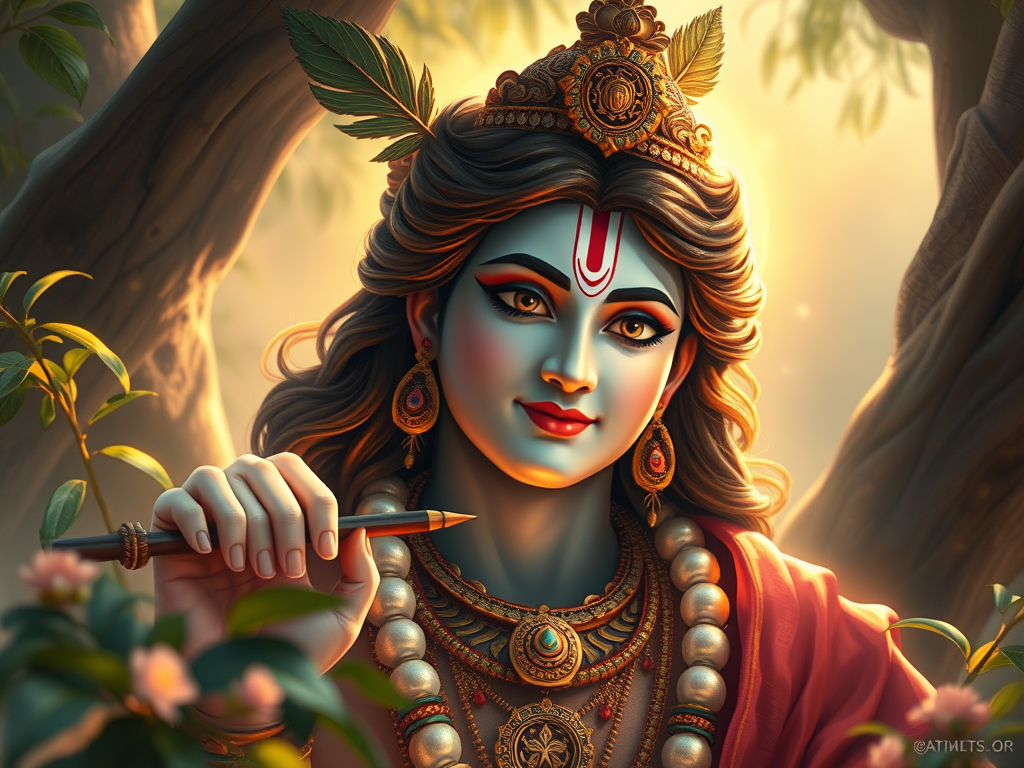
At the heart of Sanatan Dharma lies the Bhagavad Gita, a profound dialogue between Lord Krishna and Arjuna on the battlefield of Kurukshetra. The Gita addresses the eternal questions of life: What is the purpose of human existence? How can one live a righteous life? And how can one transcend suffering?
Krishna’s teachings emphasize the importance of aligning one’s life with dharma—the cosmic law and ethical order. This alignment ensures not only personal well-being but also harmony in society and nature. The Gita teaches that by adhering to dharma, individuals can rise above the illusions of this material world (maya) and attain spiritual liberation (moksha).
Heaven and Hell: States of Mind and Being
Krishna explains in the Gita that heaven and hell are not external places but internal experiences shaped by our gunas (qualities of nature) and karma. People dominated by sattva (purity and harmony) experience inner peace and contentment, akin to heaven. Conversely, those consumed by rajas (passion and restlessness) or tamas (ignorance and inertia) often create a personal hell marked by suffering, confusion, and despair.
For instance, Krishna states in Chapter 6, Verse 5:
“Elevate yourself through your own efforts, and do not degrade yourself. For the self is the friend of the self, and the self is also the enemy of the self.”
This profound verse underscores the idea that each individual has the power to shape their destiny. By cultivating self-awareness, discipline, and devotion, one can create a personal heaven on earth, even amidst life’s challenges.
The Path to Liberation: A Life Lived in Harmony
Sanatan Dharma advocates a holistic approach to life through the four purusharthas (goals of human life): dharma (righteousness), artha (material well-being), kama (desires), and moksha (liberation). These goals are not in conflict but are interconnected, guiding individuals toward a balanced and fulfilling existence.
1. Dharma: The Foundation of Life
Dharma is not just about religious duties; it is the moral compass that governs every aspect of life. It encourages individuals to act selflessly for the greater good while maintaining personal integrity. In the Gita, Krishna advises Arjuna to perform his duty without attachment to the outcomes, emphasizing that true fulfillment lies in detached action (karma yoga).
2. Artha and Kama: Material and Emotional Well-being
Sanatan Dharma does not reject material or sensual pleasures. Instead, it teaches that when pursued within the boundaries of dharma, artha and kama contribute to personal growth and social harmony. The Gita warns against greed and excessive attachment, urging individuals to strike a balance between their desires and responsibilities.
3. Moksha: The Ultimate Goal
The ultimate aim of Sanatan Dharma is moksha, the liberation from the cycle of birth and death (samsara). This is achieved not by renouncing the world but by transcending it through self-realization. Krishna declares in Chapter 2, Verse 47:
“You have a right to perform your prescribed duties, but you are not entitled to the fruits of your actions. Do not let the fruits be the motive of your actions, and do not be attached to inaction.”
This teaching encapsulates the essence of Sanatan Dharma: focus on the journey, not the destination, and live with a spirit of detachment and humility.
Living Heaven on Earth
Sanatan Dharma empowers individuals to experience heaven while alive by fostering a life of inner harmony, compassion, and wisdom. It encourages the cultivation of virtues such as truthfulness (satya), non-violence (ahimsa), and self-discipline (tapas). By following these principles, individuals can overcome ego, fear, and ignorance, which are the roots of all suffering.
Krishna assures in the Gita that anyone who surrenders to the divine and lives a life of devotion (bhakti yoga) will find eternal peace. This is not limited to rituals or religious practices but extends to every thought, word, and action performed with love and selflessness.
Sanatan Dharma: Beyond Religion
Unlike conventional religions that rely on fear and exclusivity, Sanatan Dharma offers an inclusive and fearless path to enlightenment. It recognizes the divine in every being and celebrates the diversity of spiritual paths, symbolized by the many deities and philosophies within its fold. It teaches that the ultimate truth is one, though expressed in myriad ways.
This eternal philosophy reminds us that life is not about escaping hell but about creating heaven through our actions and attitudes. By embracing the wisdom of Sanatan Dharma, one can transcend the dualities of pleasure and pain, success and failure, and life and death, achieving a state of eternal bliss.
In the words of Krishna from the Gita:
“When the mind is free from selfish desires and is established in the Self, one experiences boundless joy, peace, and fulfillment. Such a person has attained the supreme state.”
Sanatan Dharma thus stands as a beacon of hope and guidance, offering a way of life that ensures spiritual fulfillment and worldly harmony, here and now, and beyond.
 Sanatan Mission